
The convenience of credit cards, debit cards, and online banking has led to their dominance in all areas of society, but particularly online. The physical alternatives — such as posting a check or cash — are slow and insecure. But the convenience of digital payments comes with a cost that doesn't show up on your statement: your privacy.
The true cost of digital payments
Every time you enter your card details on a website, you're handing over more than you think. While most people know their name, address, and zip code are transmitted, that's just the starting point. Many retailers use data appending services to enrich their transaction data with additional information. By liaising with data brokers, they can further retrieve information such as your demographic profile, phone number, shopping habits, browsing activity, and so on. Some even upload your purchase history to co-operatives, making your transaction data available to a wider network of companies that you've never interacted with.
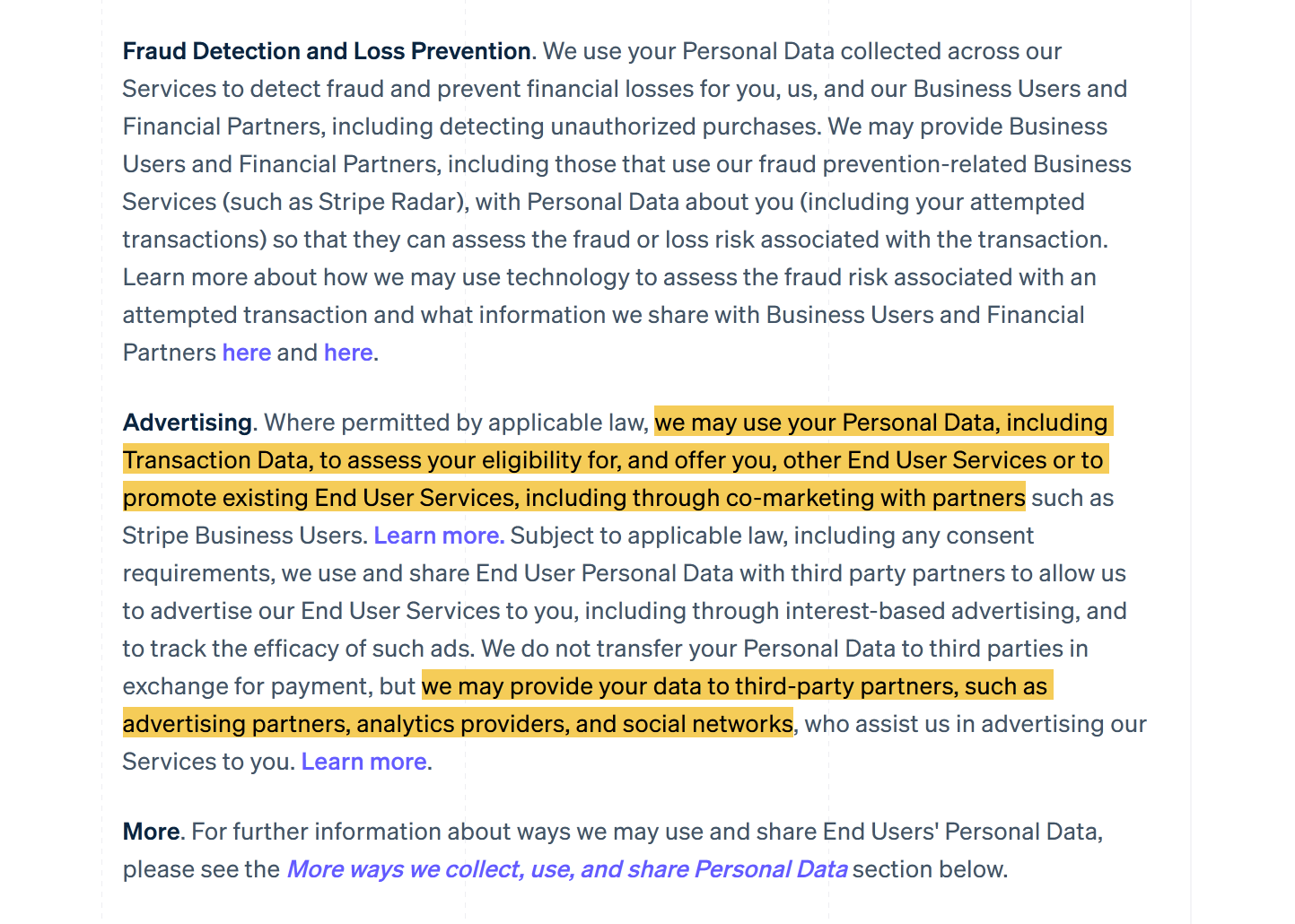
Middlemen don't make it any better. Payment processors such as MasterCard and Visa, as well as services like PayPal, Stripe, and Google Pay, all take a slice of your transaction data.
While most payment providers claim to anonymize data before sharing it with merchants, fraud-monitoring parties, and advertisers, studies suggest this is a farce. A 2015 MIT research paper found that it's possible to identify users from anonymized data 90% of the time. This has only become easier with the rise of LLMs, which can autonomously process and cross-reference large amounts of data.
Unfortunately, even companies with the best intentions aren't immune to the privacy issues of digital payments. They have little choice but to involve payment providers such as Visa or MasterCard, and often have to lean on middlemen like Stripe because they don't have the resources to set up their own secure payment infrastructure.
The three popular private payment methods
All of this may leave you wondering: do genuinely private digital payment methods exist, or is payment privacy a myth? To answer that, it's worth looking at the options people commonly turn to — and why most of them fall short.
Venmo, Cash App, etc.
While Venmo allows you to have a username that does not match your real name, it is not anonymous like many believe. The company itself states “There’s no way to pay someone anonymously on Venmo”. Venmo requires you to use your real name, bank details, etc. to create an account. This is to combat fraud. Additionally, though you can hide transactions from your public profile, the recipient will still see your name, payment timestamp, and payment amount. Venmo also sells or shares data with third parties.
Cash App allows you to use Bitcoin to pay, but it still isn't private. It requires you to top up your balance via a linked bank account or direct deposit and for you to identify yourself with your name, email, postcode, and phone number. Payments are also often made by entering the receiver's phone number. Once a transaction is made, when and where they happen and who they are between is recorded, often including precise geolocation and device information. Transaction information is used in combination with third-party partners to provide personalized discounts.
Virtual payment cards

Virtual payment cards are becoming increasingly popular as a convenient way to pay for goods and services online. They're a secure, virtual form of payment that can be used in many different places, from online stores to subscription services, allowing users to make payments without having to provide their real credit card numbers.
With virtual payment cards, users can create a unique card number for each purchase and set spending limits, making it an ideal option for those who want to protect their financial data. Additionally, virtual payment cards are often more secure than traditional payment methods, since they can be easily cancelled or replaced if lost or stolen.
Unfortunately, despite the branding of virtual card services such as privacy.com, their status as a private payment method is questionable. This is something the company even admits in its own support articles. While yes, some virtual card services hide the user’s real name from the retailer, the card provider still requires your checking account details, US phone number, and SSN due to regulatory controls. The virtual card service will also collect information about every transaction you make, the devices you make them from, your location, your IP address, and more.
Handing this information to one party is admittedly much better than handing it to every retailer, but it is not anonymity. Privacy.com’s privacy policy admits that it still shares data with third parties under certain circumstances, as well as financial institutions, those middleware payment processors we mentioned earlier, government and law enforcement, and during the sale or mergers. Your data will also become available if there is a payment dispute with the merchant, and so-called “not personally identifiable” information may be shared with third parties freely.
Ultimately, virtual payment card providers are bound by the regulations surrounding fiat transactions. You must trust them to have your best interests at heart both now, and after any future sales or mergers.
Cryptocurrency

Cryptocurrency doesn't have the same level of regulation as fiat currency and therefore does not require the same level of personal information disclosure for users. This is beneficial for those who may not wish to share their personal information with third parties, as it provides a more secure way to transfer funds without having to divulge any private details. Additionally, the decentralized nature of cryptocurrency means that it cannot be manipulated by any single party, providing a level of security that is not available with fiat currencies.
However, providers that offer cryptocurrency payments often fall into the same pitfall as fiat currency retailers: using middlemen payment providers. Though cryptocurrency is inherently better-geared towards privacy than fiat currency, the more links in your payment chain, the harder it becomes for a provider to ensure the privacy and security of users.
Additionally, just because a provider offers cryptocurrency as a payment method, it does not mean that they are private. Many sites now require you to provide your real name, address, and ID at sign-up for fraud prevention and will happily sell your tracking data to third parties. For better cryptocurrency privacy, users should buy from private individuals, use a Bitcoin ATM, run BTC through a mixer or Lightning Network, or use privacy-oriented currencies like Monero.
How BitLaunch makes cryptocurrency payments more private
A couple of years ago, BitLaunch built its own in-house payment system, BLPay. Having a bespoke payment system allows us to minimize third-party involvement while providing features such as zero-confirmation transactions.
In addition, BitLaunch does everything it can to minimize the information we collect about users. We collect exclusively the information required to run our service, requiring only a username and email address (this can be a temporary email) for signup, and run no trackers across our site.
A practical guide to buying a VPS privately with crypto
Once you've settled on cryptocurrency as your payment method, the process itself is straightforward. There are three things to get right.
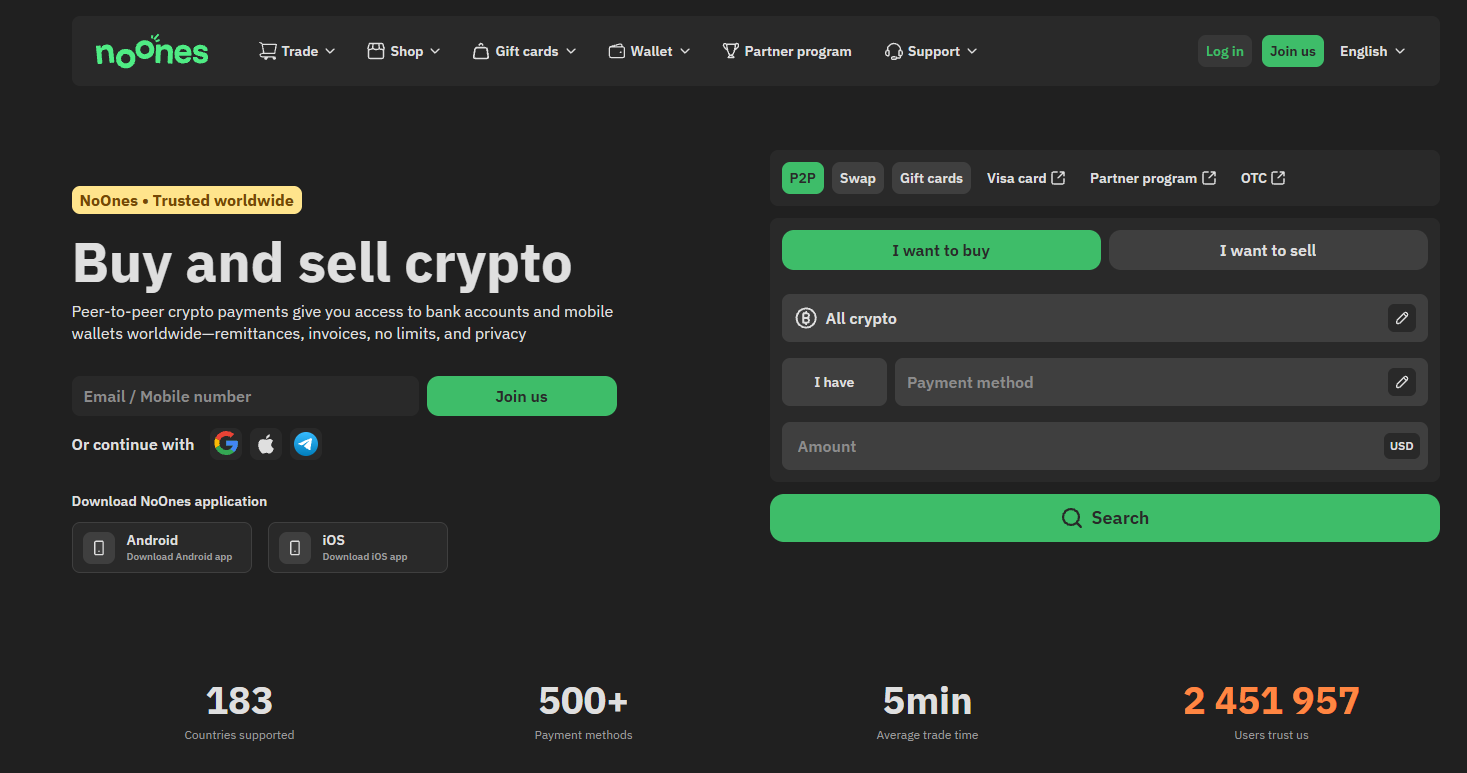
1 - Acquire your crypto privately
Where possible, buy through a peer-to-peer exchange that doesn't require identity verification, or use a standard exchange and route funds through a privacy-focused wallet before paying. Bitcoin is the most widely accepted option, but privacy-focused coins like Monero are worth considering if your chosen provider supports them.
2 - Don't undo it at the door
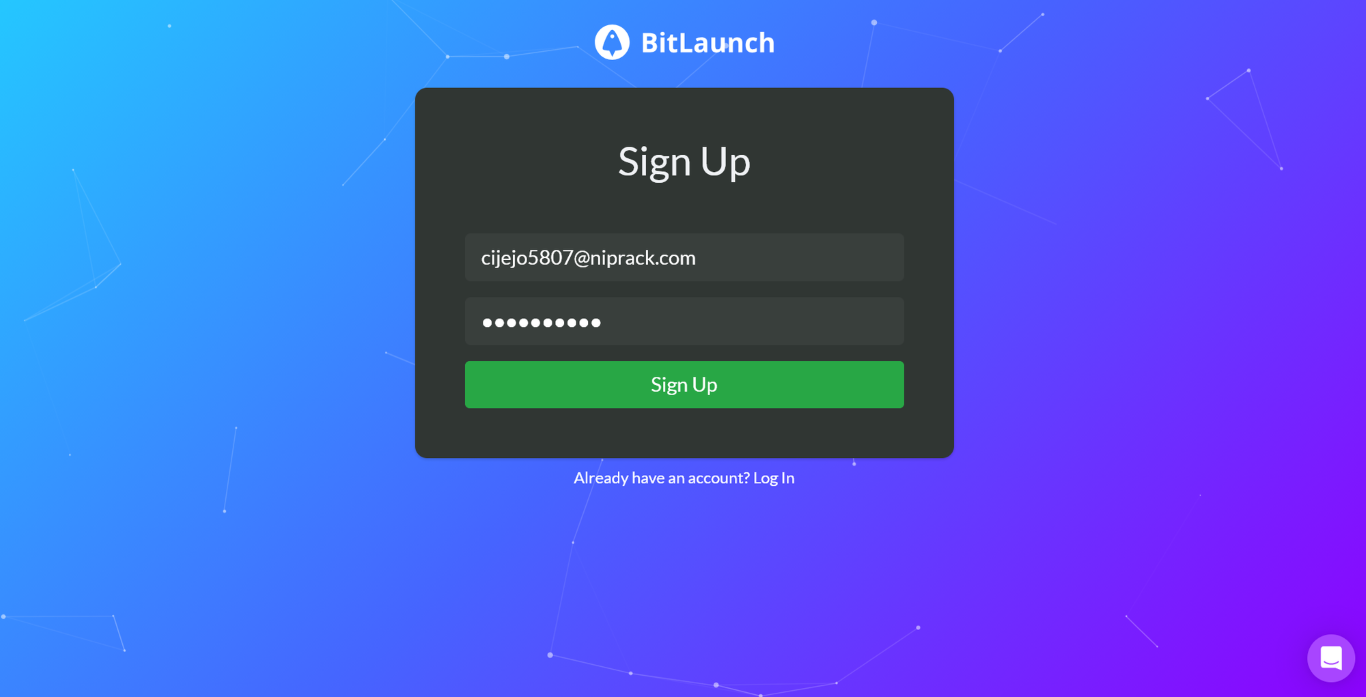
Use Tor or a VPN and sign up using a temporary or alias email address when registering. Your payment can be private, but if your account is tied to your everyday Gmail, the anonymity is gone before your server even spins up.
You can sign up to BitLaunch with a temporary email here.
3 - Choose your provider carefully
Not every VPS provider that accepts crypto is genuinely private. Look for no KYC signup, no phone number verification, minimal site tracking, and crypto accepted via in-house payment systems rather than third parties. If a provider asks for your real name alongside your Bitcoin address, the cryptocurrency isn't doing much for you.
 bitlaunch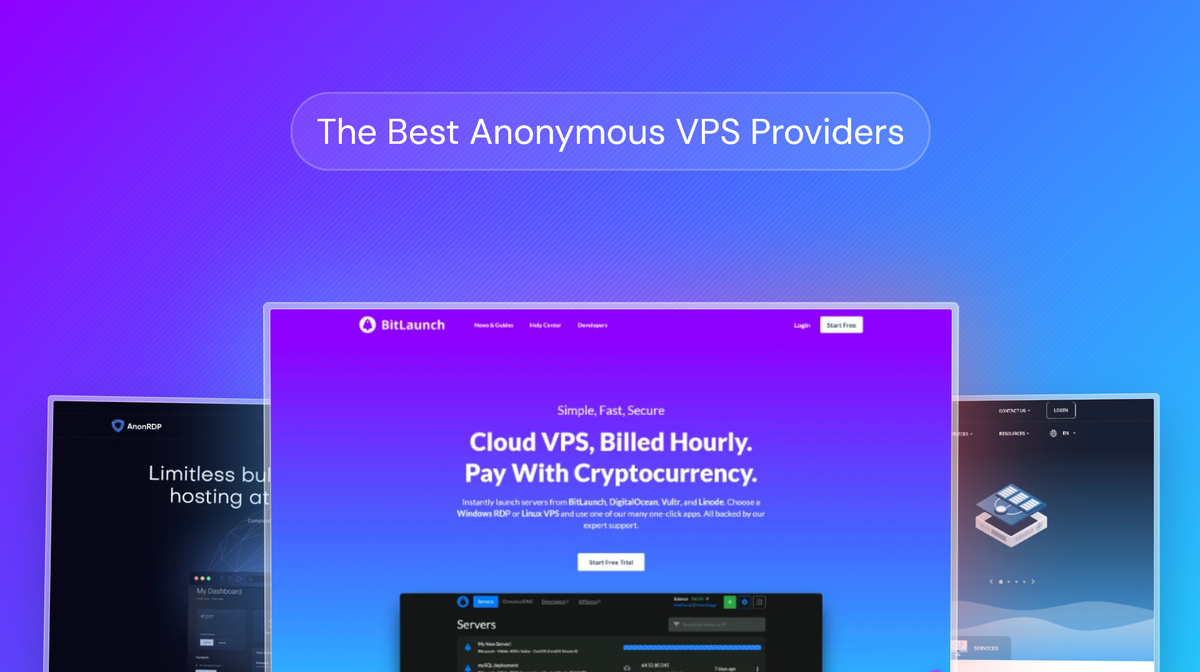
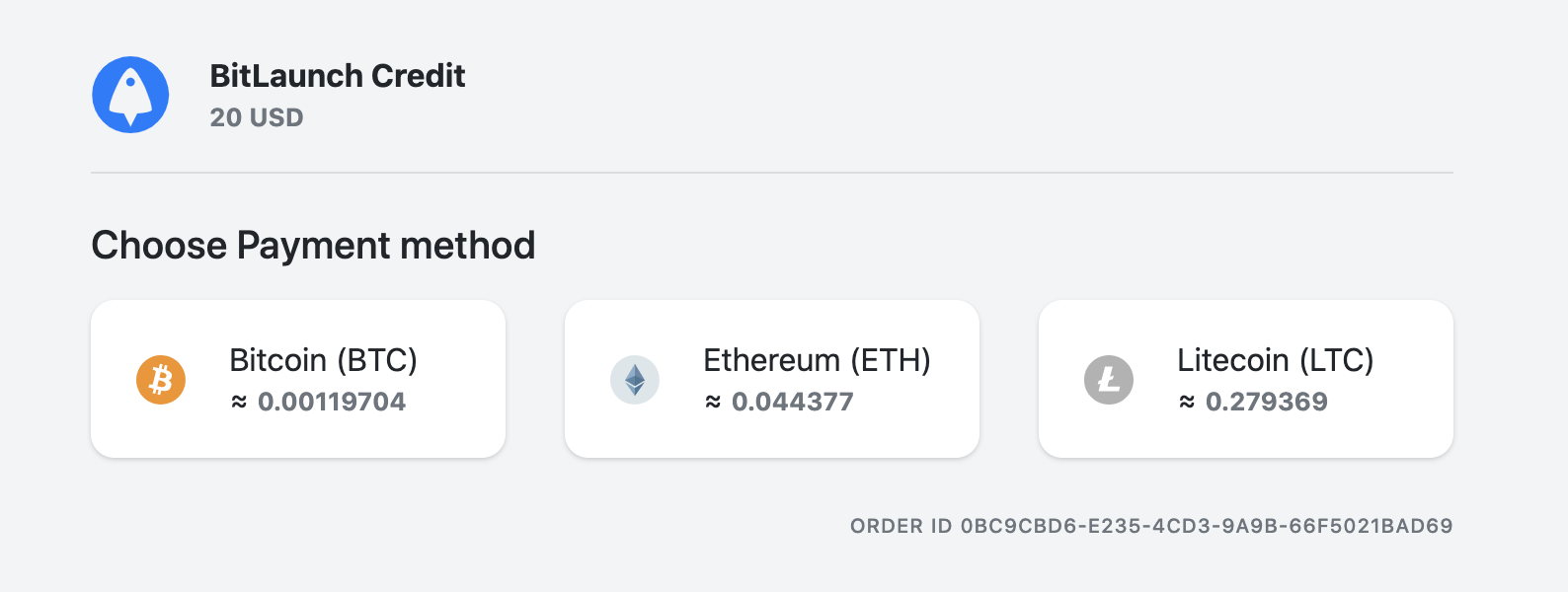
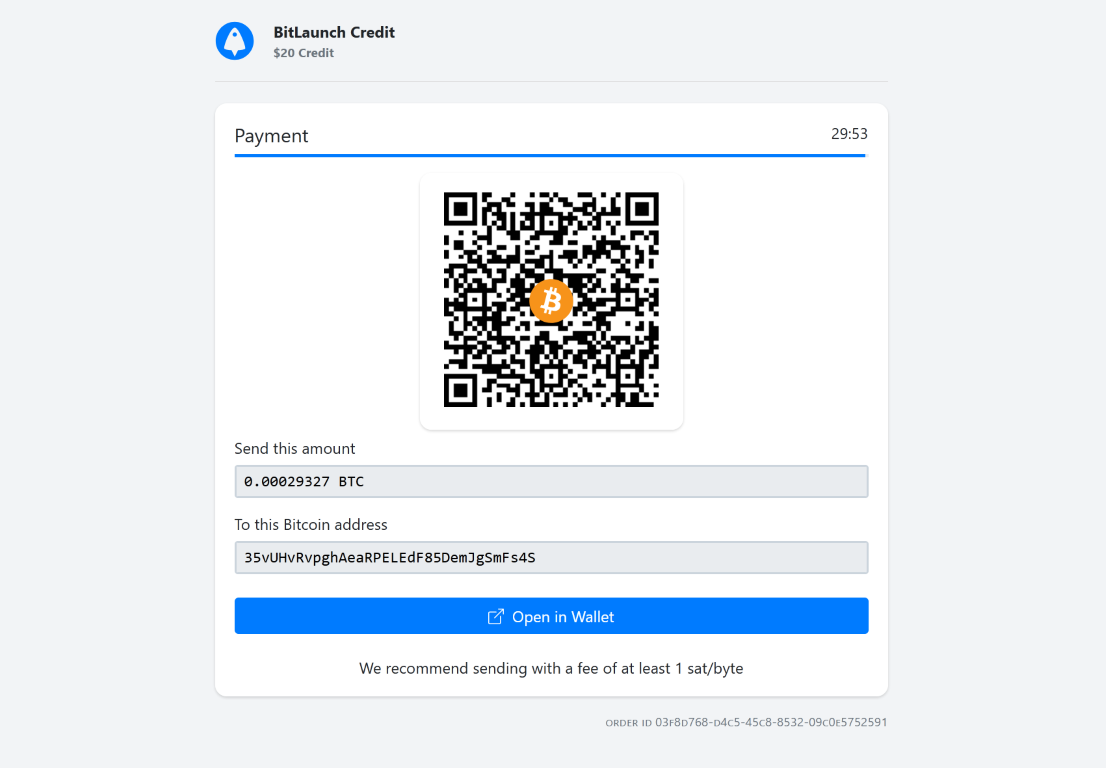
BitLaunch only requires an email and password for sign-up and accepts Bitcoin, Litecoin, and Ethereum via our in-house payment system. You can add it to your BitLaunch balance by pressing "Add Funds" in your control panel, entering an amount, and pressing "Make payment".
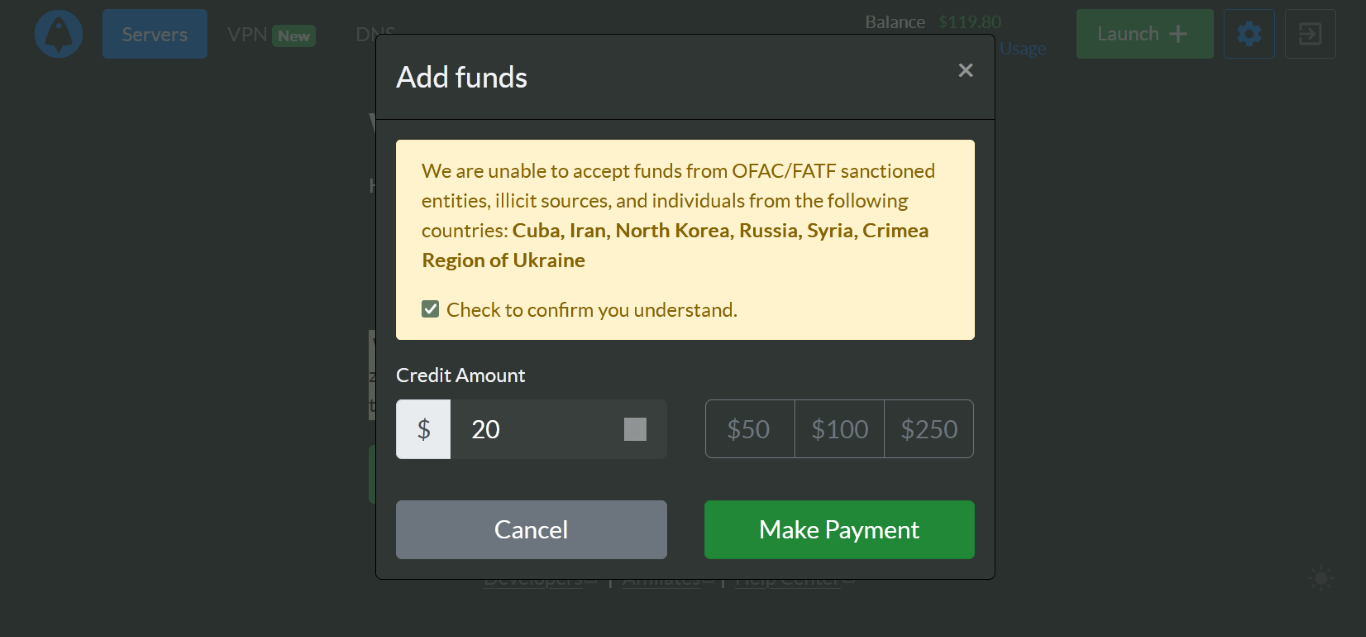
It's then a simple matter of pressing "Send" in your wallet of choice and entering the displayed wallet address and amount. Don't forget to account for fees — we recommend sending with a fee of at least 1 sat/byte.
Closing words
Payment privacy, even when purchasing a VPS server, is difficult to achieve. The information surrounding your purchases is very valuable – to advertisers, banks, and to law enforcement. The regulations surrounding fraud for fiat currency simply make it unsuitable as an private payment method, with users required to provide a real name, address, and often identification.
Cryptocurrency is the obvious choice, and it has indeed brought payment privacy to millions. What is isn't, however, is a catch-all. Maintaining privacy requires you to be careful about the services that you interact with, your online activity, and how you transfer funds.
For more tips on online privacy, see our previous blog on how to stay private online.
Looking for a private VPS server? Join BitLaunch and talk to our support team via live chat for some free credit.